 CANASA Member
You've Gotten Both Quotes. Here's What Neither Installer Showed You.
You've gotten two quotes — one for shatter-resistant window film at roughly $8-15 per square foot installed, one for roll-up security shutters at $800-1,500 per window opening — and now you're stuck in the real question behind security shutters vs. window film: which one actually keeps someone out of your house. Both installers made confident claims. Neither one showed you what happens when a determined intruder shows up with the right tool.
This is an honest comparison from a team that installs one of these products for a living and has watched clients try the other one first. Below: what each product actually does, where each one wins, where each one fails, real Ontario cost numbers, and a straight answer on when film is the right call and when it isn't.
- Film reinforces the glass. Shutters remove the glass from the equation entirely.
- Per opening: film costs ~$150-500. Shutters typically run ~$800-1,500 per window. Film wins on Day One — no debate.
- Film's biggest weakness: sustained heat. Adhesive-based films can be melted through with a handheld blow torch. We've seen it happen to a client.
- Some insurers may give credit for shutters, and film is less often recognized; ask your broker. Shutters also add blackout, privacy, and an insulating air gap when closed.
Window Film Reinforces the Glass. Shutters Remove It From the Equation.
Security window film is a multi-layer polyester film — typically 8 mil to 15 mil thick for the security grades — bonded to the interior surface of your existing glass with a pressure-sensitive adhesive. It does not stop the glass from breaking. What it does is hold the shards together when the pane fractures, so an intruder can't just clear the frame and climb through. Cheaper 4-6 mil films are really just glare and fingerprint protection; the security-grade range starts around 8 mil, and 12-15 mil holds up meaningfully longer under a sustained attack. Depending on grade and installation, that "hold" may buy some extra time before penetration.
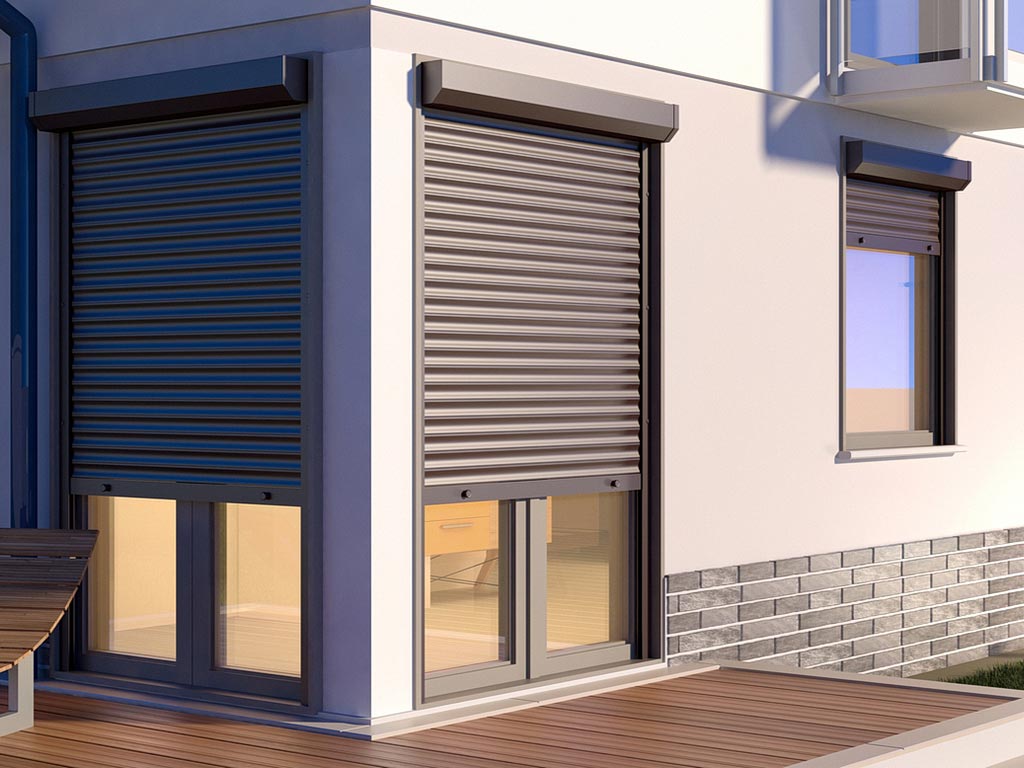
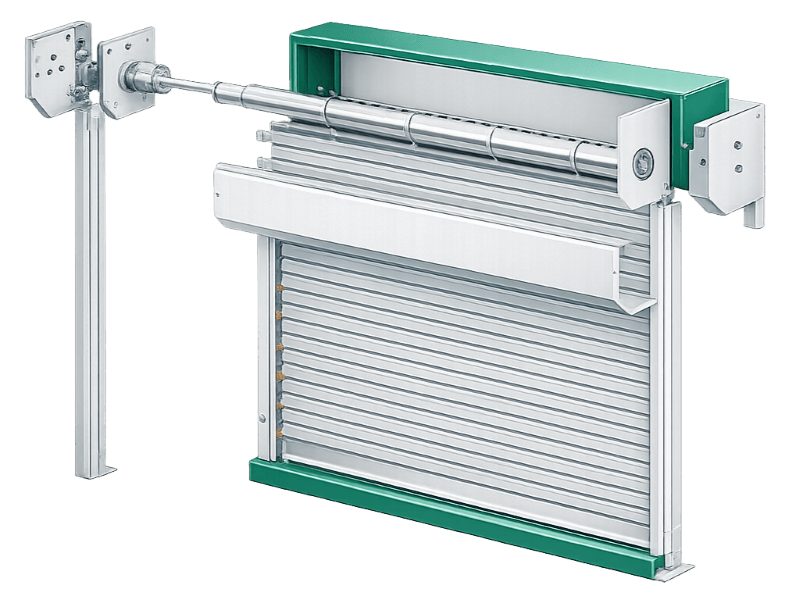
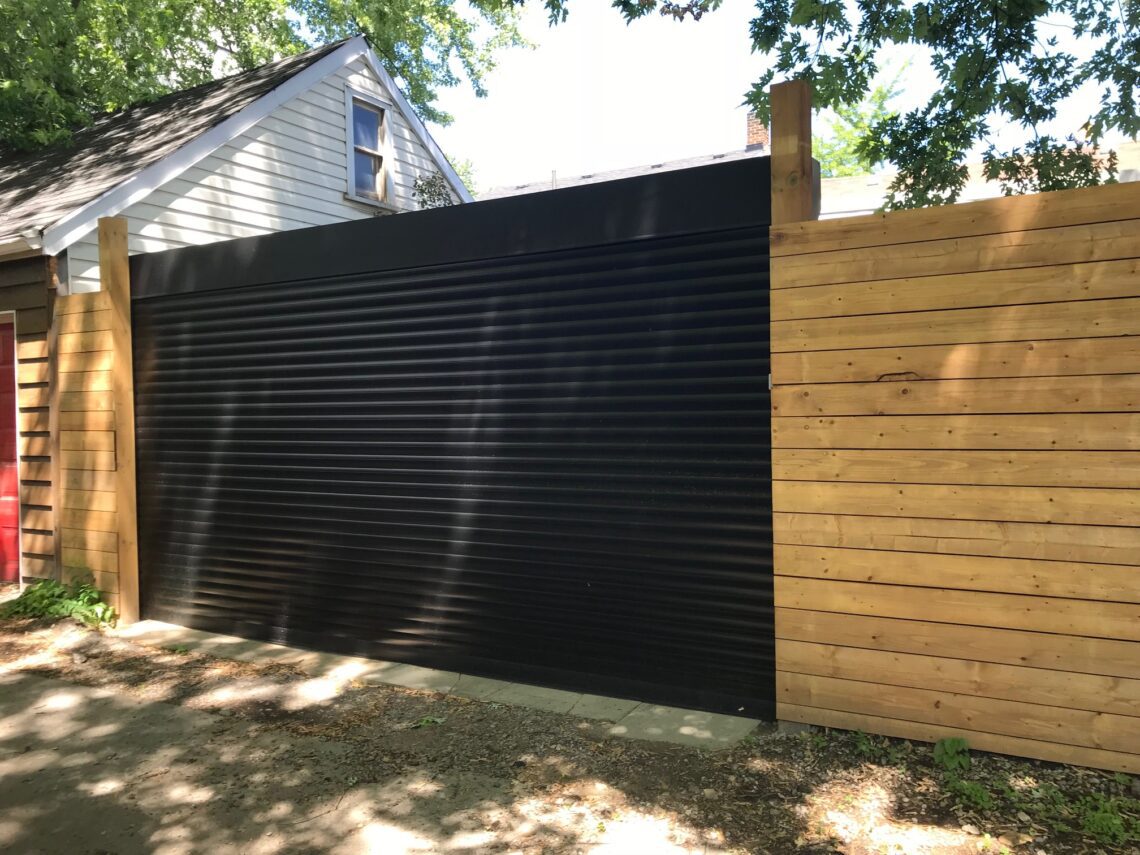
Roll-up security shutters are an external physical barrier — extruded aluminum slats (typically 8-14 mm slat profiles, with foam-filled cores) linked into a rigid curtain that rolls into a compact box mounted above the opening. Guide rails on either side lock the curtain into the wall or window frame. When closed, the curtain sits between the glass and the outside. An intruder isn't attacking your window; they're attacking a locked aluminum wall in front of your window.
That's the fundamental difference: film reinforces the glass. Shutters remove the glass from the equation entirely.
Installation: Same-Day Film vs. Custom-Fabricated Shutters
Film installation is a same-day job for most homes. The installer cleans the glass, cuts the film to size, wets the interior surface, squeegees the film on, and trims the edges. A whole-house film install typically takes 4-8 hours. Curing takes another 30-90 days for the adhesive to reach full strength. Minimal disruption, no exterior change, no permits.
Shutter installation starts with a site visit to measure every opening — width, height, depth of reveal, jamb condition, exterior cladding type. Shutters are then custom-fabricated to the millimetre. Install day is usually one day for a typical 6-10 opening home. Guide rails are mounted to the jamb (inside the reveal) or to the face of the opening depending on the wall condition; the headbox is anchored above; power runs are pulled for motorized units. Roman, our founder and lead installer, is a CANASA member and is involved in every shutter project from measurement through installation, because a shutter that isn't square in its guides is a shutter that binds in three years.
How Burglars Actually Defeat Window Film — and How Shutters Respond Differently
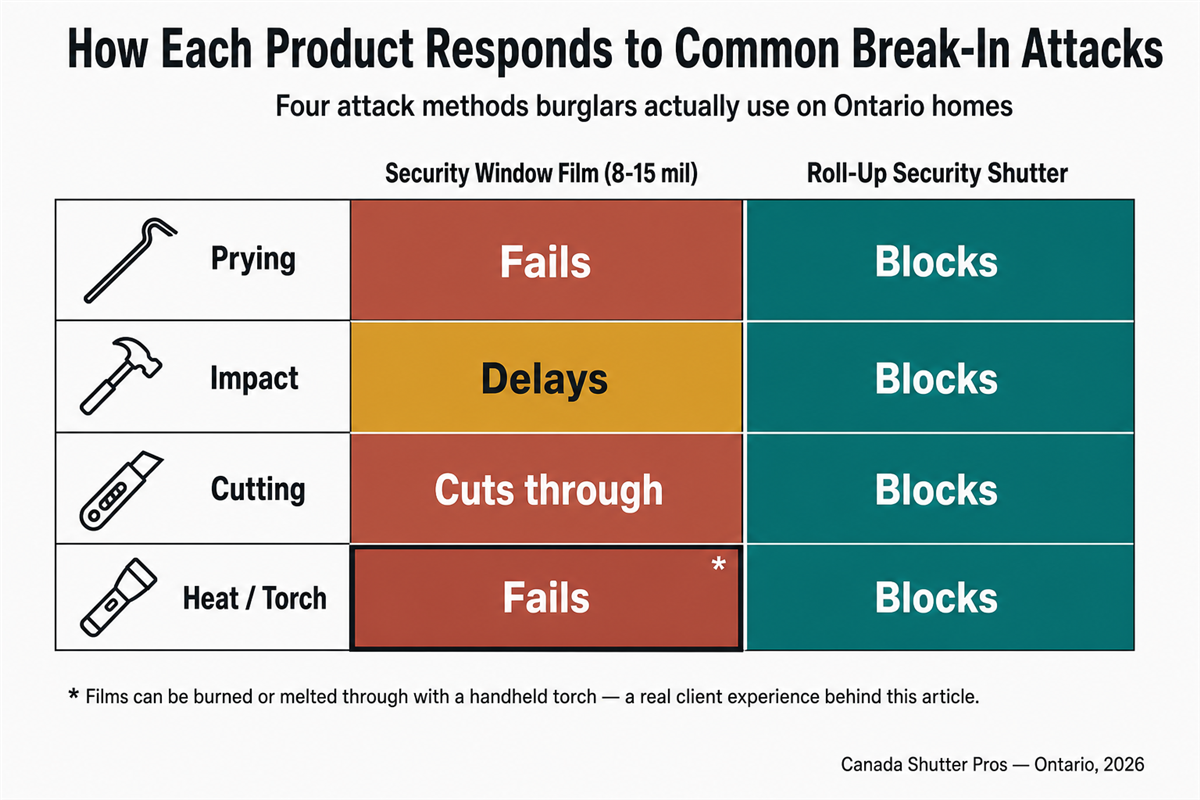
This is the section most comparison articles skip. Here's how each product is designed to respond to four common attack methods.
Prying (crowbar at the frame): Film doesn't help — the attack is on the frame, not the glass. Shutters are designed to resist prying because the slats interlock and the guides are anchored into the structure.
Impact (brick, hammer, cinder block): Film is at its strongest here. A single blow will spider the glass but the film holds the shards. A determined attacker with repeated blows will eventually punch through, but the noise and time cost is real. Shutters put a solid aluminum curtain in the way — the slats can dent under a hammer strike, and the curtain is designed to stay in its guides.
Cutting (utility knife, glass cutter): Film can be cut through with a sharp blade once the glass is broken, but it takes time and sustained effort. A utility knife or glass cutter isn't the right tool against aluminum slats, which are designed to resist this kind of attack.
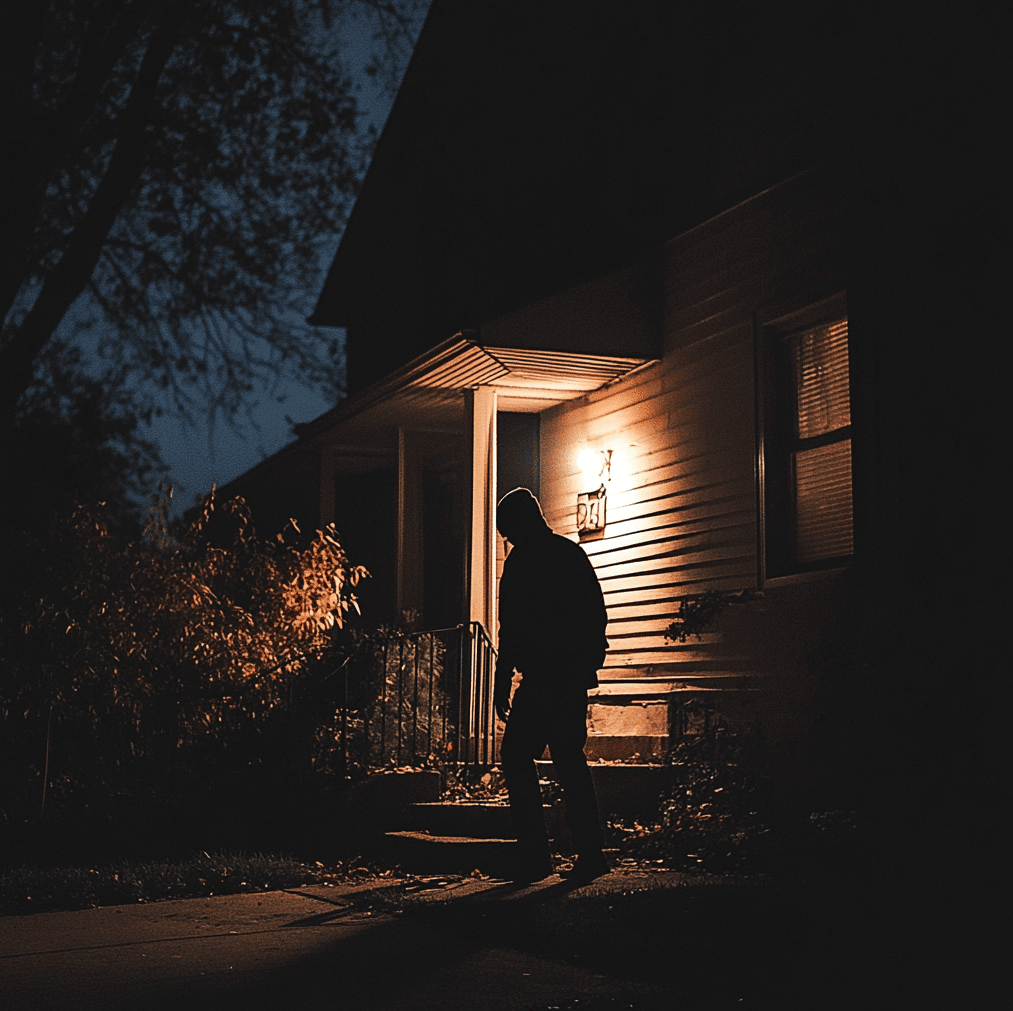
Heat and torch attacks: This is where we have to tell you what one of our clients experienced first-hand. Before they called Canada Shutter Pros, they had security window film installed on their ground-floor windows. Would-be burglars showed up with a small handheld blow torch, applied sustained heat to the film, and burned/melted through the adhesive and polyester layers to gain entry. That client now has roll-up shutters on every ground-floor opening.
“The film did exactly what the manufacturer said it would do at room temperature. It did not do what I assumed it would do against a heat attack.”
We're not sharing that story to scare anyone. We're sharing it because it's the single most honest thing we can tell a homeowner comparing these two products: adhesive-based films have a real, under-discussed weakness against sustained heat. It rarely comes up in film marketing material. Aluminum shutters don't share this particular failure mode — there's no adhesive or polyester layer to melt.
For broader context on how the GTA's break-in patterns actually work and which entry points get targeted, see our guide to home invasion prevention in Toronto.
Security Shutters vs. Window Film: Head-to-Head Comparison
| Dimension | Security Window Film (8-15 mil) | Roll-Up Security Shutters |
|---|---|---|
| Primary function | Holds broken glass together | Denies access to the glass entirely |
| Resistance to impact | Can delay penetration | Designed to resist physical entry |
| Resistance to heat/torch attack | Vulnerable — adhesive melts, film burns | No adhesive or film layer to melt |
| Insulation added | Minimal | Adds an insulating air gap when closed |
| Privacy when engaged | None (still transparent) | Complete blackout |
| Exterior appearance | Invisible | Visible external element |
| Cover from wind-blown debris | Minimal | Covers the glass when closed |
| Typical useful life | 8-15 years (manufacturer ratings vary) | Long service life; Talius limited warranty up to 10 years on parts |
| Insurance recognition | Varies — ask your broker | Varies — ask your broker |
| Cost per typical opening | ~$100-400 | ~$800-1,500 per window |
Insulation, Privacy, and Weather Cover: Where Shutters Pull Ahead
Shutters do things film physically cannot. A closed shutter can darken a bedroom, block much of the summer sun, and add an insulating air gap in winter. In Ontario's freeze-thaw winters, that dead-air gap can help reduce heat loss through single- and double-pane glass, and the aluminum curtain doesn't need seasonal recaulking the way an exterior storm window does. When closed, shutters also put a barrier between the glass and wind-blown debris. In a heat wave, closing west-facing shutters can help keep bedrooms cooler.
Film adds a modest amount of UV protection (which is genuinely useful for fading hardwood and art) and blocks a small amount of solar heat. It does not give you privacy — anyone can still see in during the day and even more clearly at night. It does nothing meaningful for winter insulation.
If UV protection and glass-shatter containment are your only goals, film wins on cost. If you want privacy, blackout, insulation, or a physical barrier over the glass, film isn't designed to deliver those.
Curb Appeal: Film Is Invisible, Shutters Are a Design Choice
This is film's strongest legitimate advantage. If you own a heritage home, live in a neighbourhood with strict aesthetic standards, or simply don't want any visible security hardware on your exterior, film is invisible from both inside and outside. Your house looks unchanged.
Shutters are visible external elements. The headbox sits above the opening (though it can be recessed into the soffit or built into a new-construction opening to be nearly hidden), the guide rails run down each side, and when closed, the curtain shows. Most of our clients like the look — the slats can be colour-matched to trim or cladding, and a well-installed shutter reads as intentional architecture, not bolt-on security. Some homeowners genuinely don't want that look. That is a valid reason to pick film.
There's also a third option worth naming honestly: metal window and door security bars. They're cheaper than shutters and more visually assertive than either film or shutters — a reasonable middle ground if a full shutter budget isn't in the cards but you still want a physical barrier.
Roll-Up Shutter Cost vs. Window Film Cost in Ontario (Per Opening)
Here's how the per-opening numbers compare for a typical window. These are ballpark figures, not a quote — every project starts with a free on-site measurement, and final pricing depends on opening size, wall condition, and which operation type (manual or motorized) you choose.
Shutters cost several times more than film upfront. That's real money and worth being honest about. But lifetime cost narrows the gap: film adhesive degrades — most manufacturers rate 10-15 years for interior applications, less in high-UV south-facing exposures — and needs replacing once it delaminates. An aluminum shutter is a long-life product that needs only occasional lubrication of the guides, and the Talius rollshutters we install carry a limited manufacturer warranty of up to 10 years on parts.
- Security film, 12 mil (per opening): ~20 sq ft x ~$12/sq ft installed = ~$240
- Roll-up security shutter (per window opening): typically ~$800-1,500 installed, depending on size, slat profile and whether it's motorized
Insurance Discounts and Warranty: What Each Product Actually Backs Up
Some Canadian home insurers may take verified physical security upgrades into account when pricing a policy. Whether roll-up shutters qualify on your policy is up to your insurer. Security window film is a maybe: some insurers may recognize it, and some may require the specific film to be tested to a recognized standard (UL 972, ASTM E1886, etc.) and the homeowner to submit certification paperwork. Confirm your specific policy's terms with your broker before you count on a discount — see the Insurance Bureau of Canada for general background.
Roll-up shutters carry two separate warranties: a 1-year labour and installation warranty from Canada Shutter Pros on how the product is measured, mounted, sealed, and wired, and a limited manufacturer warranty from Talius of up to 10 years on parts. Because Roman is the installer, warranty service on the install side isn't a phone tree — it's a call to him directly. Film warranties are typically manufacturer-issued, 5-10 years, and cover the film delaminating or bubbling. They do not cover the film being defeated during a break-in.
When Each One Is the Right Call
Both products serve real use cases. Here's the framework we walk through when a client calls for a quote — an honest decision matrix, not a sales script.
Film makes sense if…
- You live in a low-crime area with no personal history of targeting
- Your primary concern is glass-shatter containment (kids, storms, accidental impact)
- You want UV protection for interior finishes
- You cannot alter the exterior appearance of your home (heritage designation, HOA-style restrictions)
- Your budget genuinely cannot support shutters and film is better than nothing
Shutters are the right investment if…
- The property sits empty for extended periods — snowbirds, cottages, second homes
- Your neighbourhood has an active break-in pattern (check the Toronto Police Service's crime map)
- You have a specific vulnerability: patio door, ground-floor sliders, side windows hidden from the street
- You've been targeted before, or a neighbour has
- You want blackout, privacy, and insulation gains alongside security
- The application is commercial — retail, pharmacy, jewellery — where a physical barrier is the goal
- You're planning to stay in the home 10+ years and want the lifetime cost math to work
The Bottom Line
Film is a mid-tier deterrent for a low-risk home where the homeowner cannot or will not alter the exterior. Shutters are a physical barrier for a homeowner who wants the glass covered, not just reinforced. Both are legitimate. They solve different problems — and if you're weighing security shutters vs. window film for a specific opening, the honest answer usually comes down to what that one window is actually up against.
If you'd like, send a photo of the opening you're worried about — a patio door, a basement window, a side entrance — and we'll give you a straight answer on whether film would be enough for that specific vulnerability or whether it's a shutter opening. No obligation. It's the fastest way to stop guessing.